Drop a menu photo on the mat
JPEG, PNG or WebP — read in seconds, never stored.
鱼香肉丝 is not “fish-fragrant pork silk.”
Chinese dish names are poetry, history and in-jokes. Translate them word by word and you get nonsense — there is no fish in yuxiang pork, no ants in ants-climbing-a-tree, and 夫妻肺片 is emphatically not what the characters say. We name dishes the way an English-language food writer would, then tell you what actually arrives at the table.
117 dishes on our food pages were eaten, priced and written up by us. When one shows up on your menu, the scanner marks it ✓ and adds our ordering tip — like asking for 麻婆豆腐 “wēi là” if you can’t take Sichuan heat.
Glare and handwritten chalkboards can defeat it, and AI can misread — treat prices as a guide and confirm with staff. It only transcribes what is visible. It never invents dishes, and if your photo isn’t a menu it will say so instead of guessing.
Field notes for a clean read
from our own restaurant tables01 — Shoot straight-on, one page at a time. A tilted photo loses the price column first.
02 — Laminated menus bounce ceiling light. Angle slightly, or shade the page with your hand.
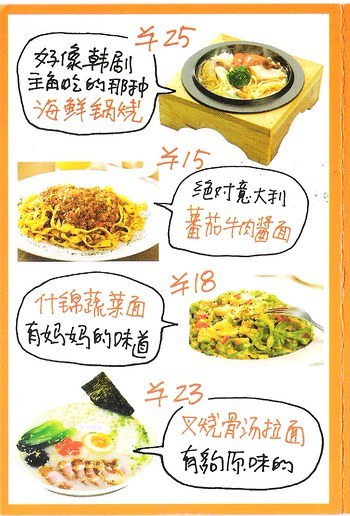
03 — Picture menus still need us: we read the printed names, which is where the surprises hide.
04 — On a long menu, find the 招牌菜 (signature dishes) page. That’s what the kitchen is proud of.
Privacy: your photo travels over HTTPS, is read in memory and discarded — never written to disk, never used for training. We keep no copy.
Straight answers
Does the menu scanner store or train on my photo?
No. Your photo travels over HTTPS, is read in memory and then discarded. It is never written to disk, never used for training, and no copy is kept.
Why not just point a translation app at a Chinese menu?
Word-by-word translation gives you nonsense. There is no fish in yuxiang shredded pork, no ants in ants-climbing-a-tree, and "lion’s head" is a giant pork meatball. Dishes here get the name an English-language food writer would use, plus a line on what actually arrives at the table.
Is it free, and do I need to install an app?
It is free and runs in your browser, with no app to install. A menu page takes around seven seconds to come back.
How accurate is the scanner?
It only transcribes what is visible on the page. It never invents dishes, and if your photo is not a menu it says so instead of guessing. Glare and handwritten chalkboards can defeat it, and AI can misread, so treat prices as a guide and confirm with the staff.
How should I photograph a menu for a clean read?
Shoot straight-on, one page at a time — a tilted photo loses the price column first. Laminated menus bounce ceiling light, so angle slightly or shade the page with your hand. On a long menu, find the signature-dishes page; that is what the kitchen is proud of.
What does the check mark next to a dish mean?
It marks one of the dishes on our own food pages that we ate, photographed and priced ourselves. When one of those turns up on your menu, the scanner adds our ordering tip alongside it.
Not a menu? Live camera translate points the same recognition at anything with Chinese on it — a station sign, a ticket machine, a warning notice. It needs camera permission and works best on a phone.